
Forged vs Cast Wheels: What the Difference Means on the Road
Cast or forged? What the manufacturing difference does to weight, strength and the way the car drives, and who a forged set actually suits.
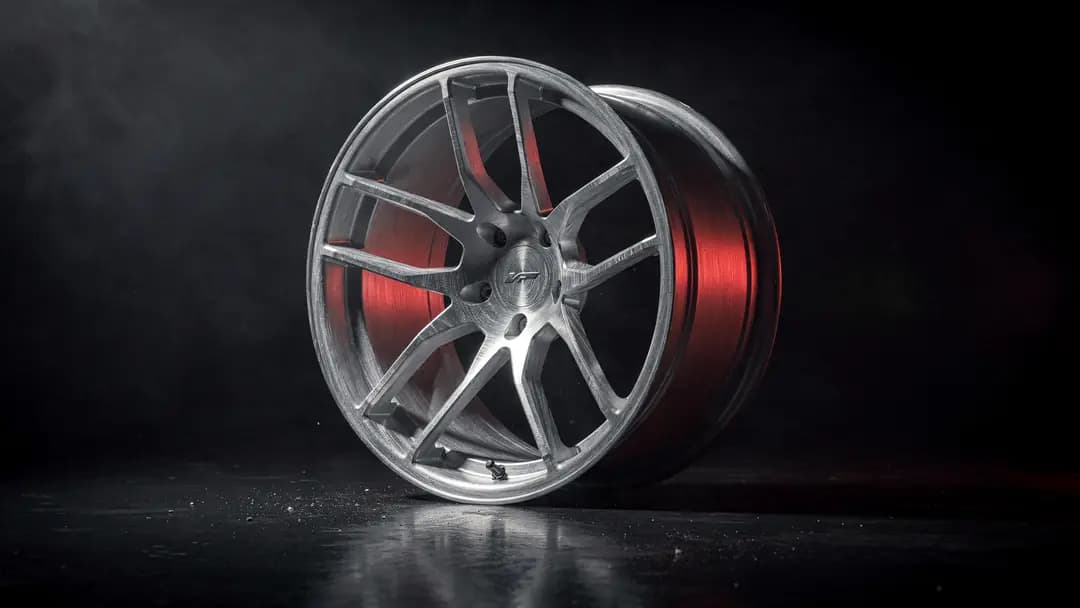
Carbon takes weight off the top of the car and a good exhaust lets the engine breathe. A wheel is a different case. It sits below the suspension and it spins, so a gram saved there is saved twice over. That is also why it matters how the wheel was made in the first place.
Cast and forged: two ways to make the same wheel
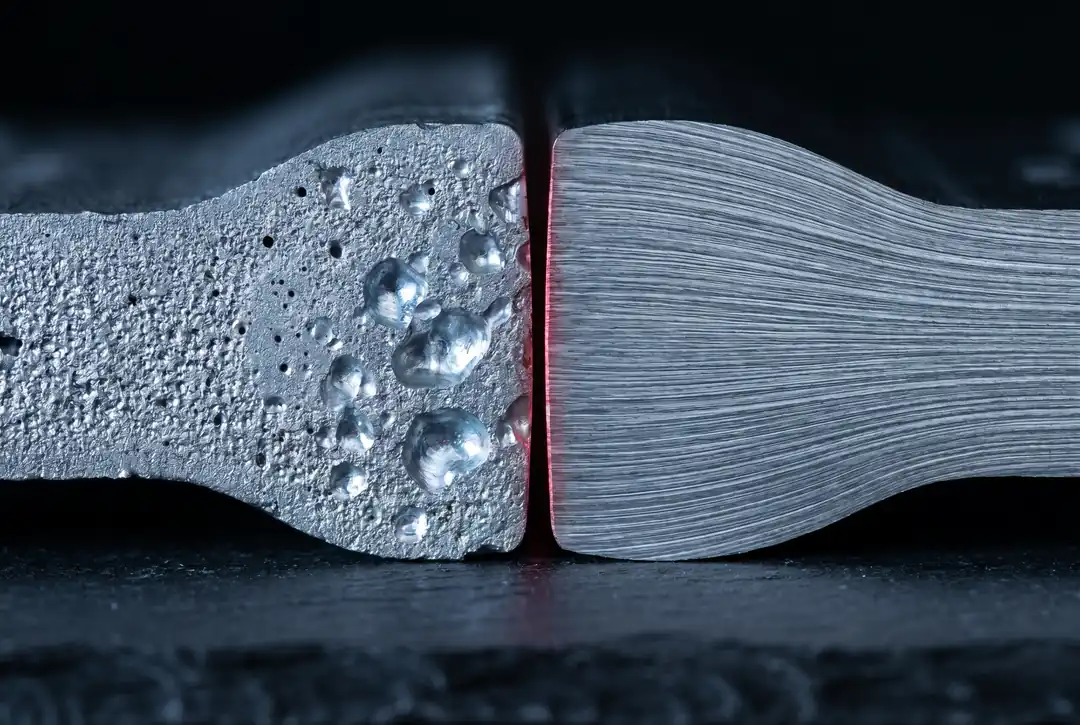
A wheel's character is set before it has a shape, in how the metal is worked. A cast wheel starts as molten alloy poured into a mold, or pushed in under low pressure, and left to cool. It is the cheaper route and it gives the designer plenty of freedom with the form. The trade-off is inside the metal: the grain stays relatively loose, with small pores scattered through it.
A forged wheel starts as a solid billet that is pressed into shape under enormous force. That force packs the grain tight and lines it up with the direction of flow. You cannot see any of this from the outside, but the material is denser and more orderly than a casting. Casting lets the metal settle into a mold. Forging makes it go where the die tells it to.
Lighter and stronger at the same time
It sounds like a contradiction until you remember the grain. Denser, aligned metal gives more strength for the same amount of material, so the designer can thin the spokes and cut out whatever is not doing any work. A cast wheel has to go the other way: to reach the same strength it needs thicker spokes and more alloy.
So at equal strength a forged wheel comes out lighter, and at equal weight it comes out stronger. Which of the two you get depends on how a particular wheel was designed, but it is the forging that gives the designer that choice at all.
What you feel on the road: unsprung weight
This is where the metallurgy turns into something you notice from the driver's seat. Wheel weight counts twice because the wheel does two jobs at once:
- Unsprung weight is everything below the spring, and the wheel is a large part of it. The suspension is trying to control that mass, not carry it. A lighter wheel lets the damper react faster over a broken surface, so the tire stays in contact with the road more of the time. Grip improves and so does comfort.
- Rotational inertia is the other half. Spinning a mass up and slowing it down takes more energy than moving the same mass in a straight line. Take weight out of the wheel and the car picks up speed more willingly, brakes with less effort and turns in more sharply off center.
In practice the car feels lighter on its feet. Turn-in is crisper and the front stays composed under hard braking, which is where driver confidence comes from. Ask someone who has just fitted a light forged set what changed and they rarely say "faster". They say the car feels awake.
Durability and daily driving
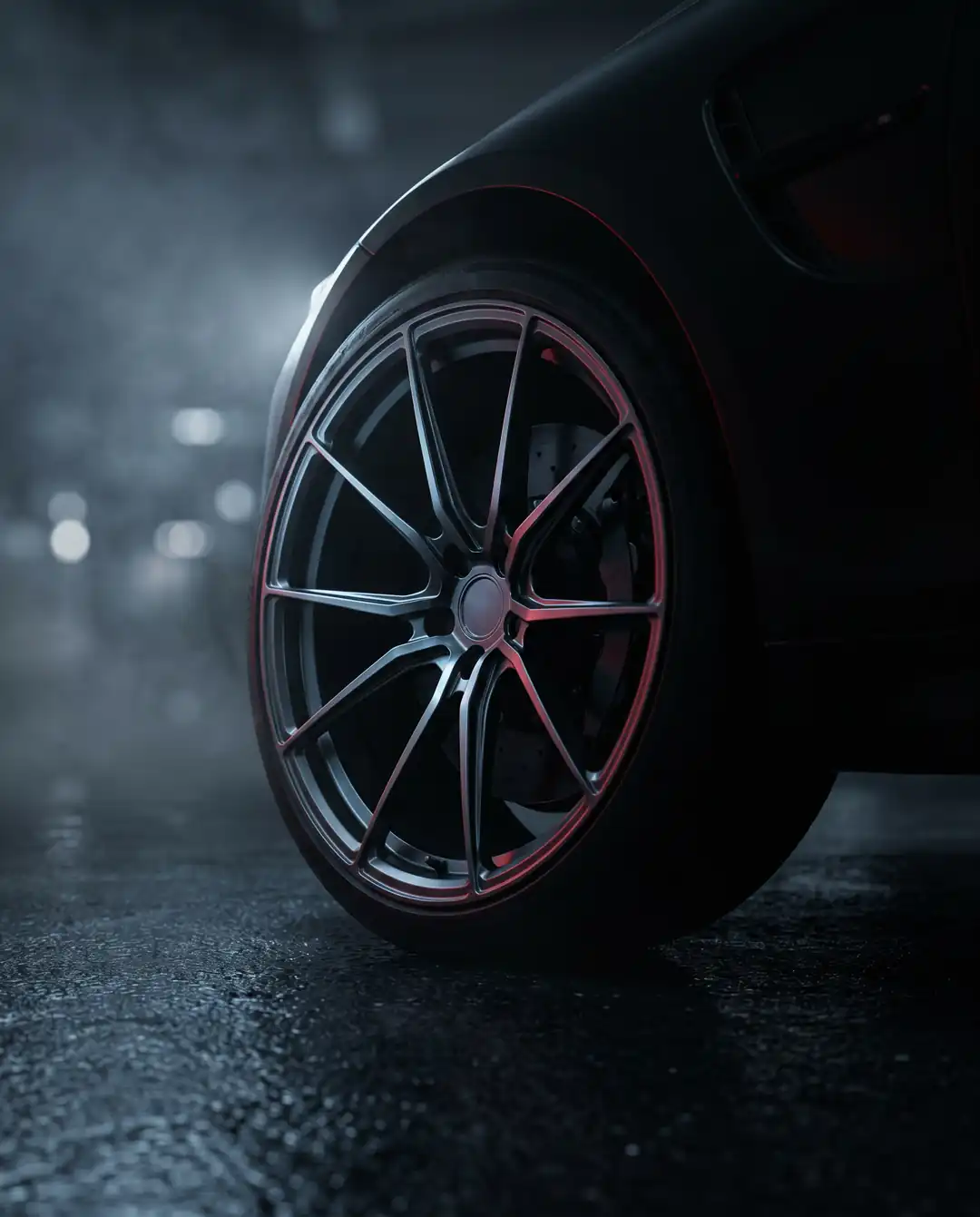
The same tight grain has a second benefit. A forged wheel generally resists cracking and permanent bending better than a cast one. Where a casting can crack on a hard hit, a forged rim tends to take the blow and keep going.
On Turkish roads that is not a small thing. Potholes appear out of nowhere, asphalt breaks up without warning and curbs are unforgiving. We will not tell you a forged wheel is unbreakable, and a bad enough hit will damage any wheel. Under the same conditions, though, the forged one is usually the more forgiving of the two, and that matters over years of ownership rather than just on the first drive.
Who a forged wheel is really for
The driver who cares how the car feels. If you want sharper cornering, you do track days, or you simply want the lightest quality set you can fit, forged is the obvious answer. Its value shows most clearly when you look at the rest of the car around it.
We think of the wheel as the foundation. A big brake kit, suspension work, and the carbon and exhaust parts already on the car all do their job better when the wheel is light and strong. An open forged design gives the brakes room to shed heat, the suspension has less mass to manage, and every other upgrade works a little better for it. That is why so many owners start with the wheels, and why we would put them ahead of most other bolt-on parts.
Choosing the right set
A good forged wheel changes the stance of the car standing still and its character in the first corner. The forged wheels we import are made by specialist manufacturers around the world in OEM fitment for each model, and they come with a 24-month BYC warranty. We ship across Türkiye and abroad via partner couriers.
To find the right set for your car, browse the catalog, message us on WhatsApp with fitment and delivery questions, or see customer builds on Instagram at @bycperformance.