
Where a Performance Exhaust Gets Its Sound
What decides how a performance exhaust sounds: pipe diameter, bends, muffler and resonator tuning, titanium versus stainless steel, and valved systems.
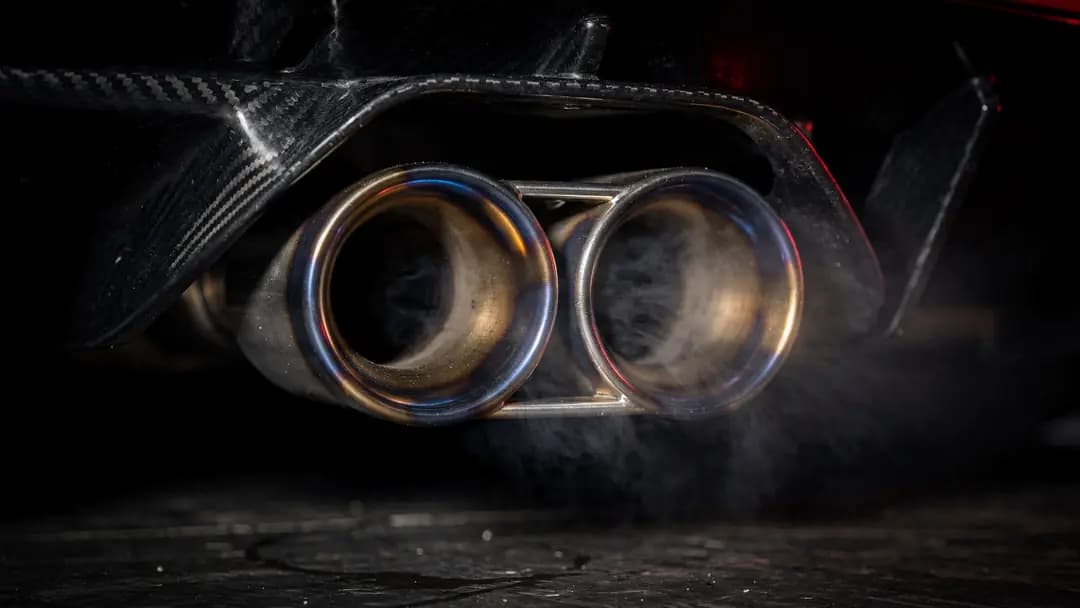
Two cars leave the same set of lights. One just goes. The other sounds like it means it. Usually the difference is the exhaust, and what you hear comes down to a handful of design decisions you can read straight off the parts.
Where the sound comes from
Every time a cylinder fires, it pushes a slug of hot, high-pressure gas into the manifold. That pulse runs down the pipe, hits every change in diameter and direction, bounces back, and meets the next pulse behind it. What reaches your ears is the sum of those pulses after the system has had its way with them.
Volume is the least interesting part. Two exhausts can be equally loud while one sounds thin and raspy and the other deep and clean. That tone is what people mean by an exhaust sounding "right", and it is set by the hardware.
Pipe diameter and bends
Diameter comes first. A larger bore lets gas move with less resistance and generally pushes the note lower. Go too big for the engine, though, and gas velocity at low revs drops, the note goes hollow and the punch disappears. Good manufacturers size the pipe to the engine rather than going as wide as will fit.
How the tube is bent matters as much as how wide it is. Mandrel bending uses an internal support so the pipe keeps its full diameter through the curve instead of being crushed into a narrower oval. Gas passes the bend without turbulence and the note stays even.
Muffler and resonator: where the note gets tuned
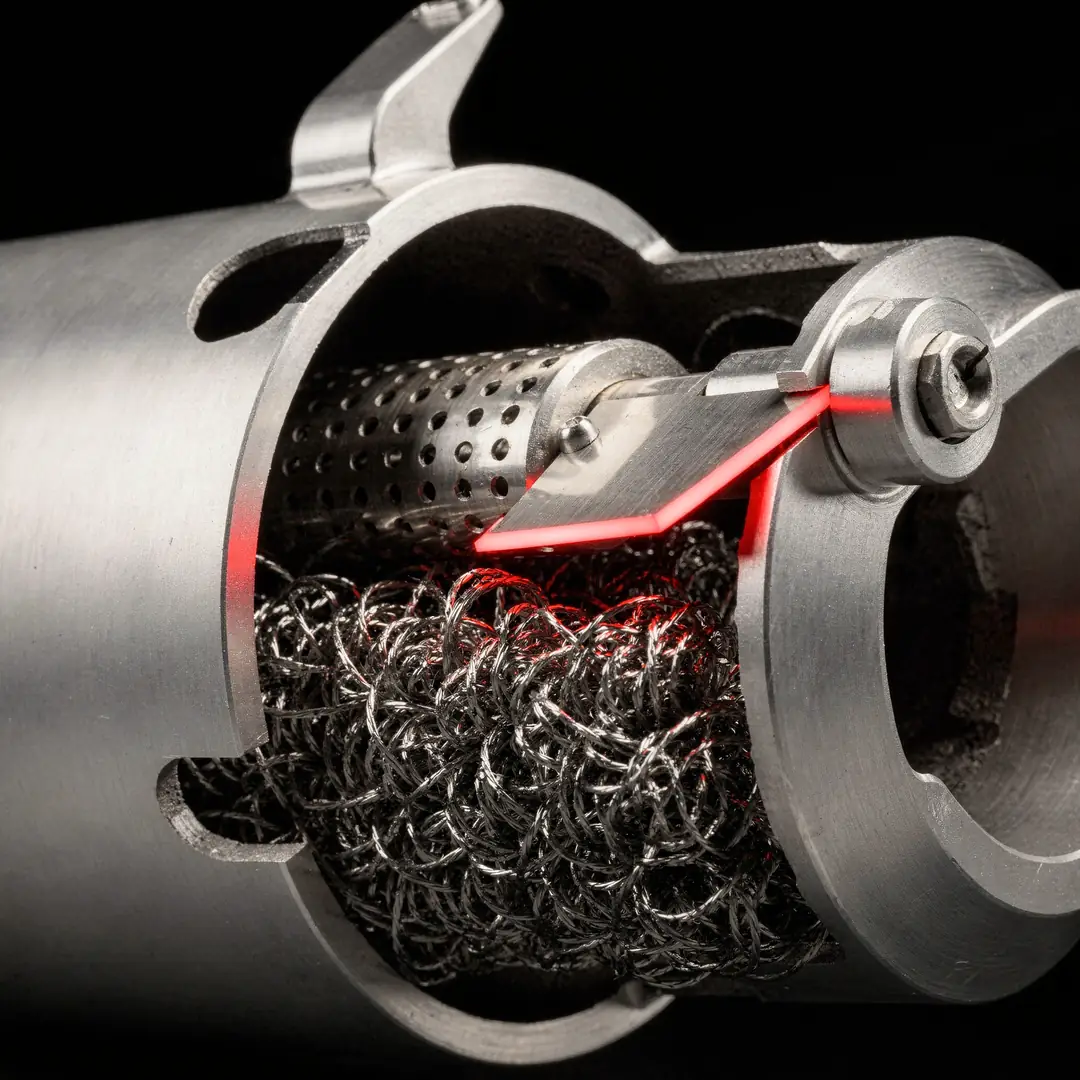
This is where the real tuning happens. The muffler's internal volume, its baffles and perforated tubes, and the route the gas takes through them decide which frequencies pass and which are absorbed. A resonator upstream does the same on a narrower band. A good muffler removes the harsh, tinny frequencies and leaves the low ones alone, so the system sounds fuller without getting louder.
The thing to watch for is drone: a low booming resonance that fills the cabin at a steady cruise, usually around motorway speed in top gear. It is the most common complaint with cheap or badly matched systems. A properly tuned system sounds aggressive under load and settles down when you back off.
Titanium or stainless steel
Material is mostly a weight and durability question, but it does change the timbre a little:
- Titanium is noticeably lighter than steel, and systems made from it tend to sound crisper and more metallic, with a higher-pitched edge on the note.
- Stainless steel gives a rounder, warmer tone. It costs less, lasts for years, and for most cars it is the sensible default.
Neither is wrong. A sharper voice and less weight means titanium; a deep note you never have to think about again means stainless.
Valved exhausts
Valved systems are the feature owners ask us about most. A butterfly valve near the tips either sends the gas through the full muffler or lets it bypass part of it. Valve shut, you get a subdued tone you can live with on a 7am start. Valve open, the gas takes the short route and you get the full volume and character of the system. On most kits you switch from a remote, so one car does the school run and the weekend drive.
Sound and flow are the same job
A loud exhaust is easy to make; remove the muffler and you are done. A proper performance system is designed to let the engine breathe more freely and shape the sound at the same time. When bore, bends and muffler are matched to the engine, the deep note you hear is a side effect of the engine clearing its exhaust gas more easily.

Picking one for your car
We stock cat-back and downpipe systems in titanium and stainless steel, made by specialist exhaust manufacturers around the world and designed to bolt onto the original mounting points. Every system comes with a 24-month BYC warranty and ships via partner couriers within Türkiye and abroad.
If you are not sure which suits your car, look through the catalog, send us your model and engine code on WhatsApp and we will tell you what fits, or see recent fitments on Instagram at @bycperformance.